
Roofing is more than just a functional element of a building—it is an important part of cultural heritage that reflects history, tradition, and identity. The materials, designs, and construction techniques used in roofs often represent the values and environment of a particular region, from thatched roofs in rural areas to ornate domes and pagodas in historic architecture. These elements serve as visual symbols of cultural expression and craftsmanship passed down through generations.

Creating a quieter home starts with understanding how sound travels and how different materials can control it. Soundproofing works by either absorbing sound waves or reflecting them, helping to reduce unwanted noise from outside sources like traffic or neighbors. Materials such as fiberglass insulation, rockwool, and mass-loaded vinyl are commonly used to absorb sound by converting it into heat energy, while options like metal roofing, asphalt shingles, and concrete tiles reflect sound away from the home.
The color of your roof does more than enhance curb appeal—it plays a powerful role in shaping how your home is perceived and how it feels. Color psychology explores how different shades influence emotions and behavior, with each color carrying its own associations. For example, blue tones are often linked to calmness and trust, while red evokes energy and intensity.
The condition of your roof can have a greater impact on your mental well-being than many homeowners realize. A strong, well-maintained roof provides a sense of safety and protection, acting as a barrier against harsh weather conditions like rain, wind, and extreme temperatures. This feeling of security can significantly reduce anxiety and create peace of mind, especially during severe weather or in vulnerable environments.
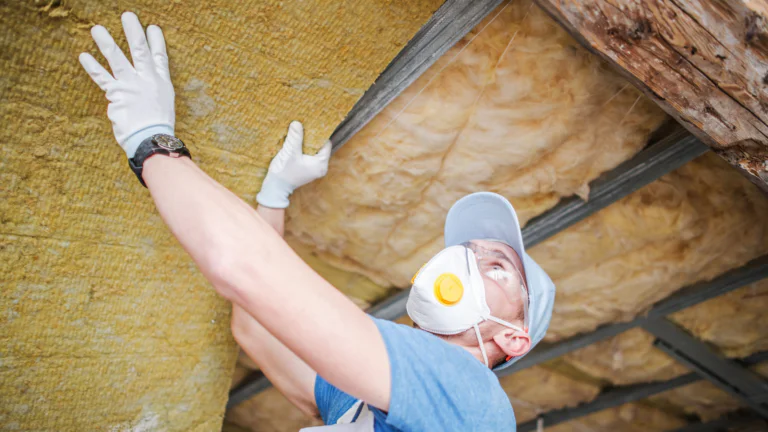
Home insulation plays a vital role in maintaining both comfort and energy efficiency, especially in climates like Virginia where temperatures can vary throughout the year. Insulation works by resisting heat flow, helping to keep homes cool in the summer and warm in the winter. By properly insulating key areas such as the attic, walls, and floors, homeowners can reduce energy consumption while maintaining a consistent indoor temperature.
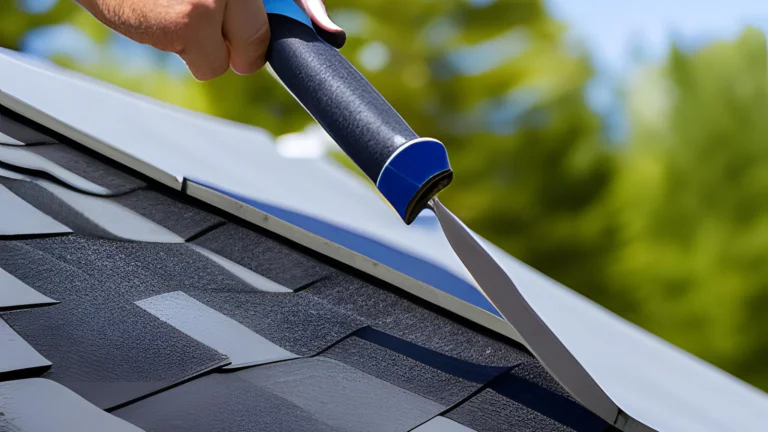
While DIY projects can be appealing for saving money, roof repairs are one area where the risks often outweigh the benefits. Working on a roof without proper training or safety equipment can be extremely dangerous, with the potential for serious injuries or even fatal falls. Professional roofers are trained to handle these hazards safely, using the right tools and techniques to minimize risk.


As a veteran-owned and family-operated business, we prioritize your needs and deliver roofing solutions that stand the test of time. Experience top-tier craftsmanship and customer-focused service—schedule a free estimate today for a roofing experience unlike any other.